Facades, veneer, columns, steps, mailboxes, and full new-build brickwork, laid by hand and matched to the bond, color, and joint you already have.
Anyone can stack brick. Almost no one can make it disappear. The first is a product dropped on a wall. The second is a craft: coursing that runs dead level over forty feet, head joints struck to the exact profile of the originals, a color and bond so close to the existing wall that a neighbor cannot tell where the old work ends and the new begins.
That invisibility is the entire point of good brickwork, and it is the hardest thing in the trade to deliver. It is why a repair from the wrong crew announces itself for the next thirty years, and why a repair from the right mason is never noticed at all. Matching is where twenty years of hand-work separate a craftsman from a laborer with a trowel.
Tim Phipps is a third-generation master mason, and he lays every course himself, start to finish, no subcontractors. Whether your project is a fresh facade on a new build or four courses of repair on an aging wall, it is held to one standard: it has to look like it has always belonged there, and it has to still be standing long after the mason who built it is gone.
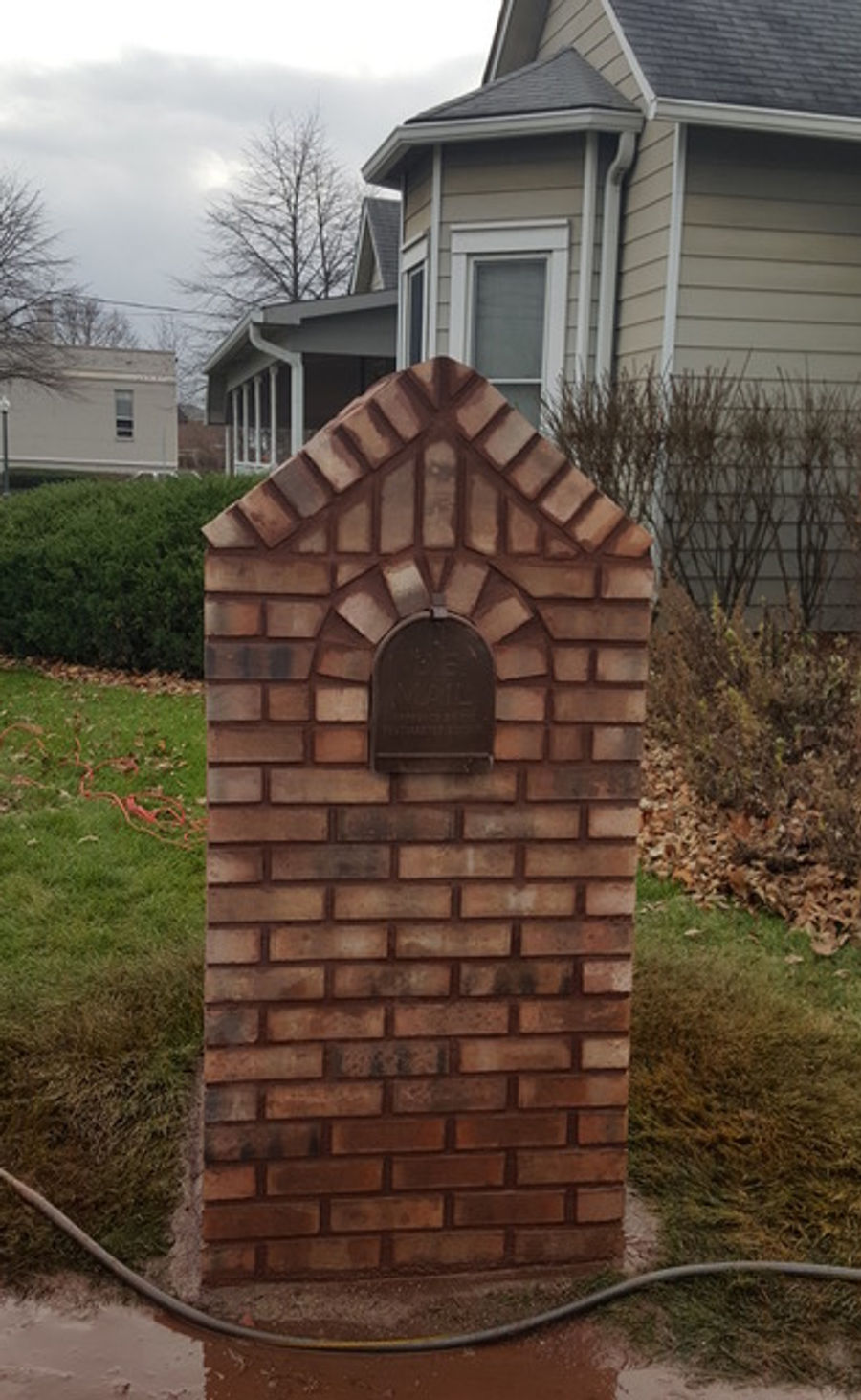
A brick mailbox pillar, coursed and capped to match the home
From the front steps a family walks every day to a full veneer wrapping a new home, brick is the material we work in most.
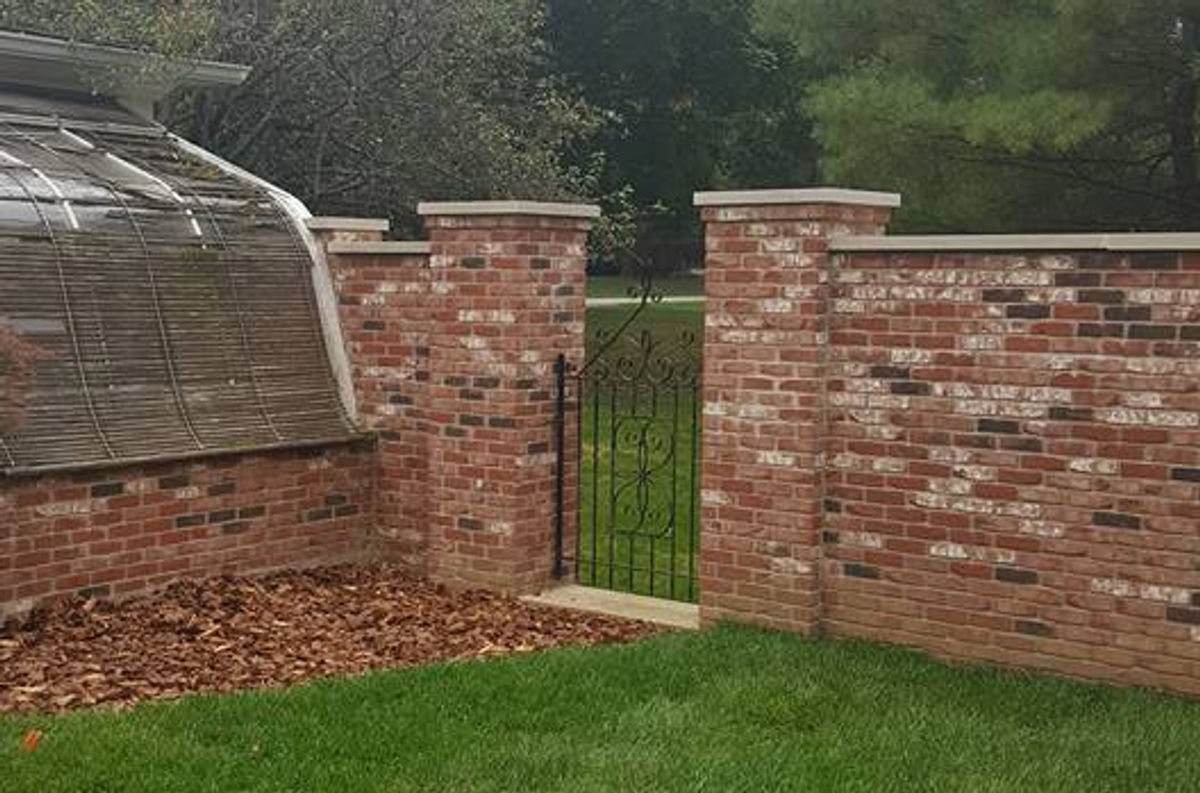
A brick privacy wall and pillars, set with an iron gate
Masonry has been the material of choice for tens of thousands of years, and the reasons have not changed. Clay brick is fired to roughly 2,000°F, so it will not burn, and it holds the best fire resistance of any building material, standing firm where other materials melt or bend. It shrugs off wind-driven debris that tears through vinyl and fiber-cement, manages moisture better than almost any other cladding, and carries a thermal mass that keeps a home cooler in July and warmer in January.
It also asks almost nothing of you. Brick does not rot, rust, warp, or dent, and it never needs repainting. It is sustainable, recyclable, quieter than lighter walls, and it reads as quality to buyers, adding real resale value to the home. Laid correctly, it is the last time you have to have it done.
The questions homeowners ask us most before a brick project.
In almost every case, yes. Matching is where a real mason earns his keep. We match brick color, bond pattern, and mortar shade, and we tool the joint to the same profile, so an addition or repair blends into what is already there instead of standing out. If an exact brick is no longer made, we source the closest match and blend it into the coursing.
Both, on residential and light commercial. We lay ground-up brick facades and veneer on new builds and additions, and we repair, rebuild, and restore existing brickwork. It is the same master mason on either kind of job.
Solid brick is structural, carrying load through the wall itself. Brick veneer is a single wythe of brick tied to a framed or block wall behind it, giving the full look and durability of masonry on a modern building. Both are laid to the same standard here. Which one fits depends on your structure, and Tim will tell you straight at the estimate.
Over the life of a home, most owners find it is. Brick will not rot, rust, warp, or need repainting, it resists fire and storm damage far better than lighter cladding, and it adds resale value. The upfront cost is higher than vinyl, but you are buying a wall you do not have to think about again.
A brick project often meets mortar repair, a restoration, or a new outdoor space. See where the work connects, or get a free estimate for yours.
Whether it's a chimney that needs rebuilding or a full stone facade on a new custom home, Tim and the Lone Wolf crew will walk your project, talk through the details, and give you an honest quote, no subcontractors, no runaround.